Debora Marks Lab
Machine learning to accelerate biology
We build models to make sense of genetic variation and design biological tools for environmental and human health.
Research
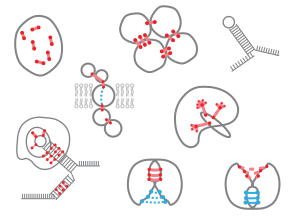
Learning the language of life
Amino acids that mutate together across evolution tend to touch in 3D. We disentangle these couplings from sequence information to understand the structure and function of protein and RNA.
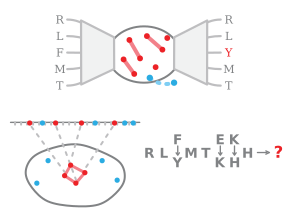
Genetic variation and protein design
Predicting the functional consequences of mutations, alone and in combination, to interpret human genetic variation and to design new sequences that stay functional and stable.
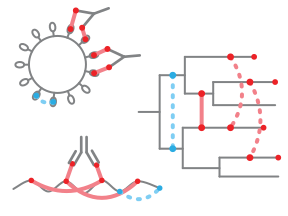
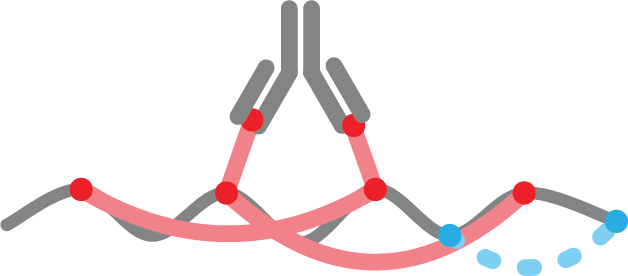
Viral evolution and immunology
Using machine learning models to predict viral escape/pathogenicity, improve immune recognition, and predict antibody targets.
Highlighted publications
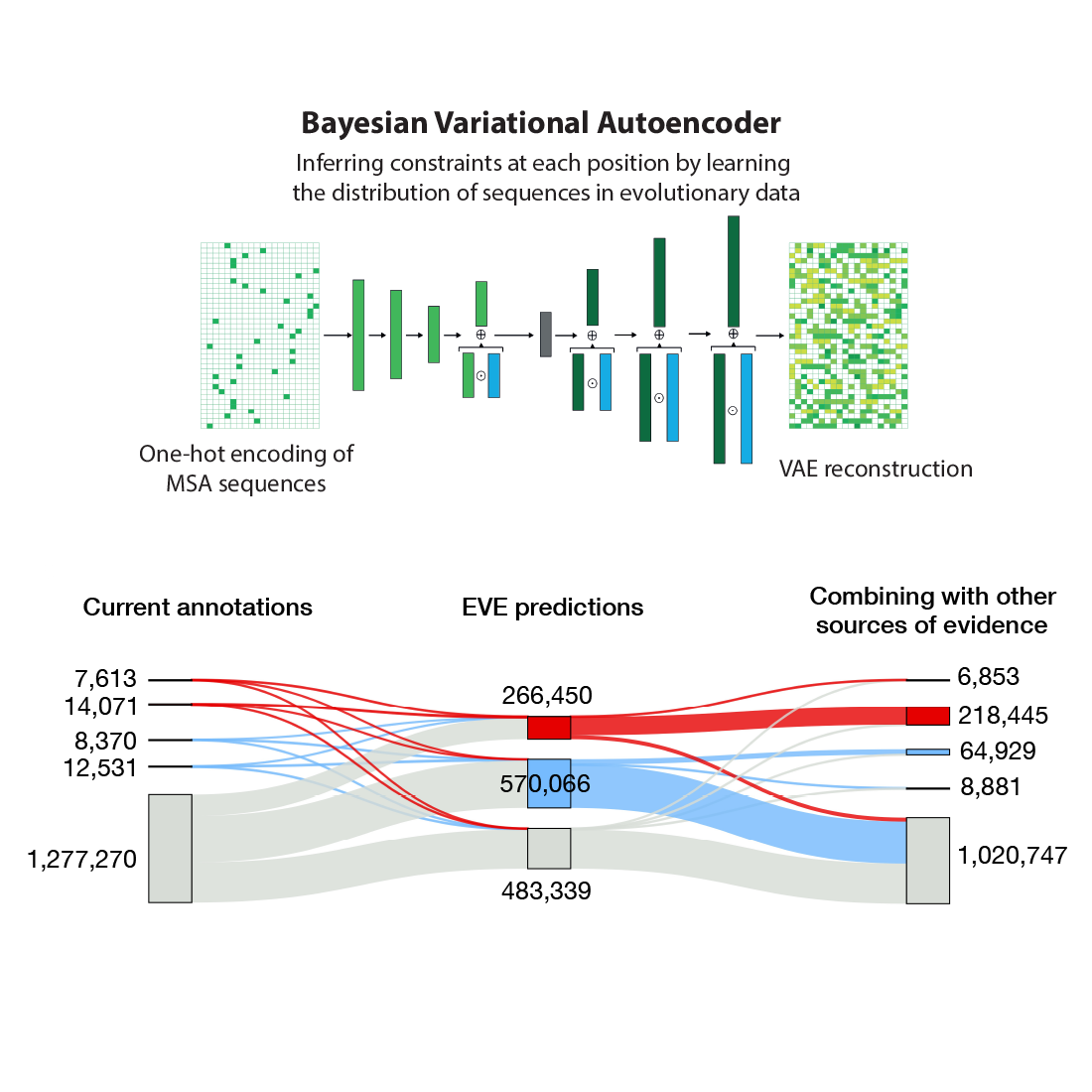 Disease variant prediction with deep generative models of evolutionary data Nature, 2021
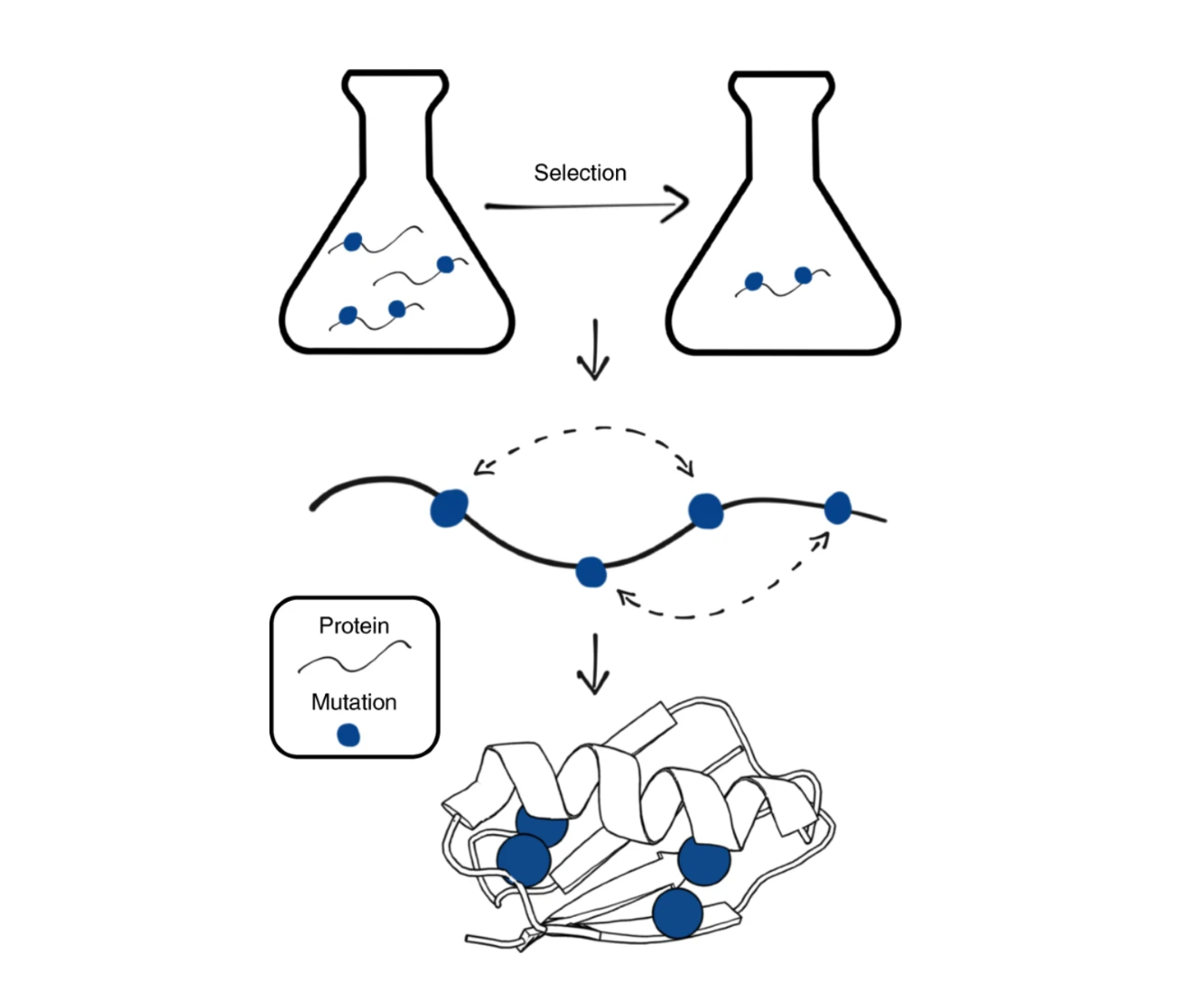 Inferring protein 3D structure from deep mutation scans Nature Genetics, 2019
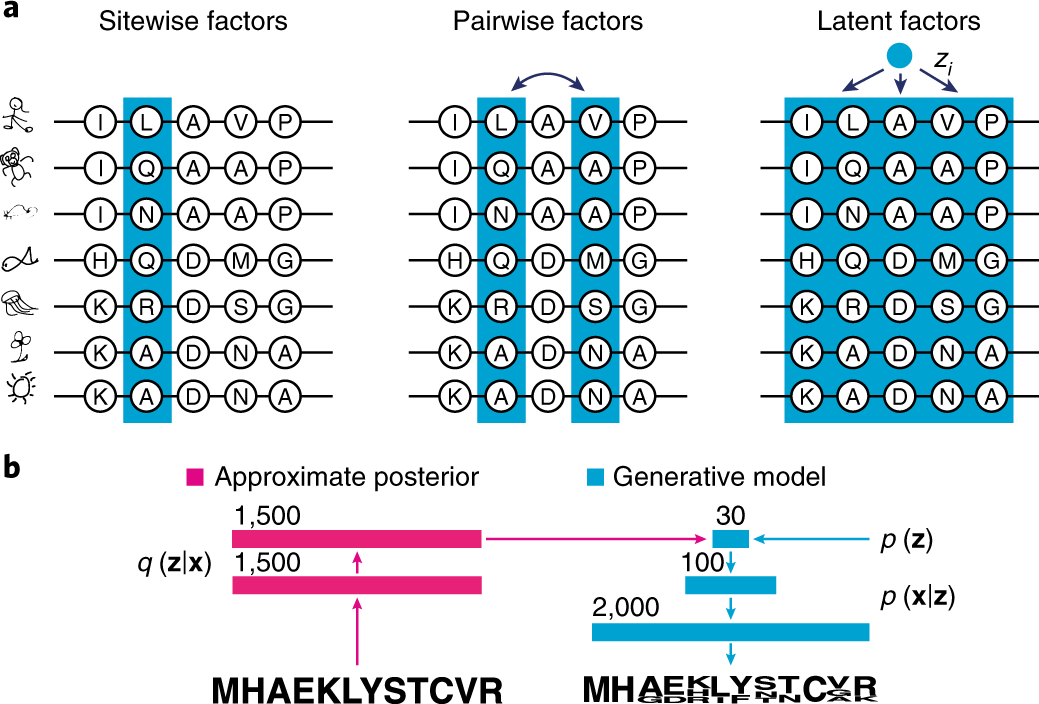 Deep generative models of genetic variation capture the effects of mutations Nature Methods, 2018
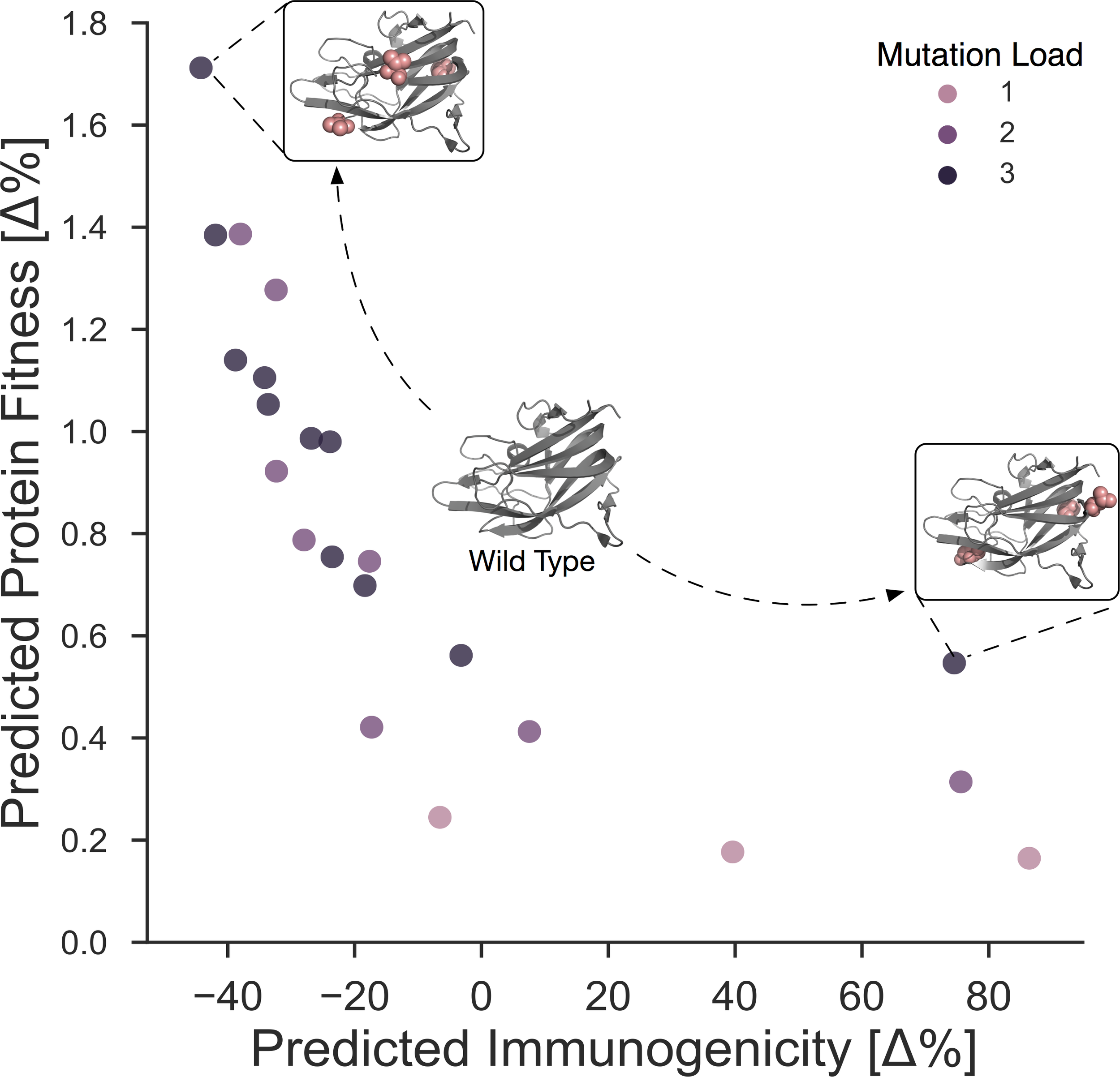 Population-specific design of de-immunized protein biotherapeutics PLOS Computational Biology, 2018
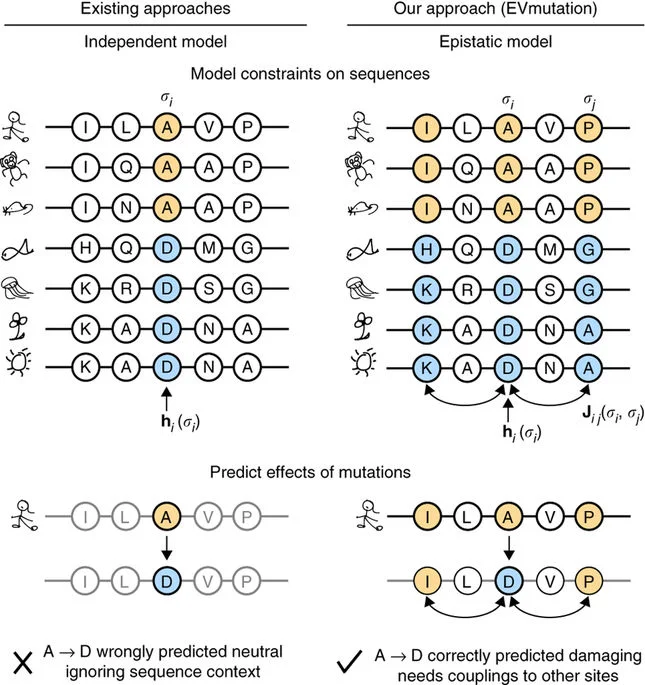 Mutation effects predicted from sequence co-variation Nature Biotechnology, 2017
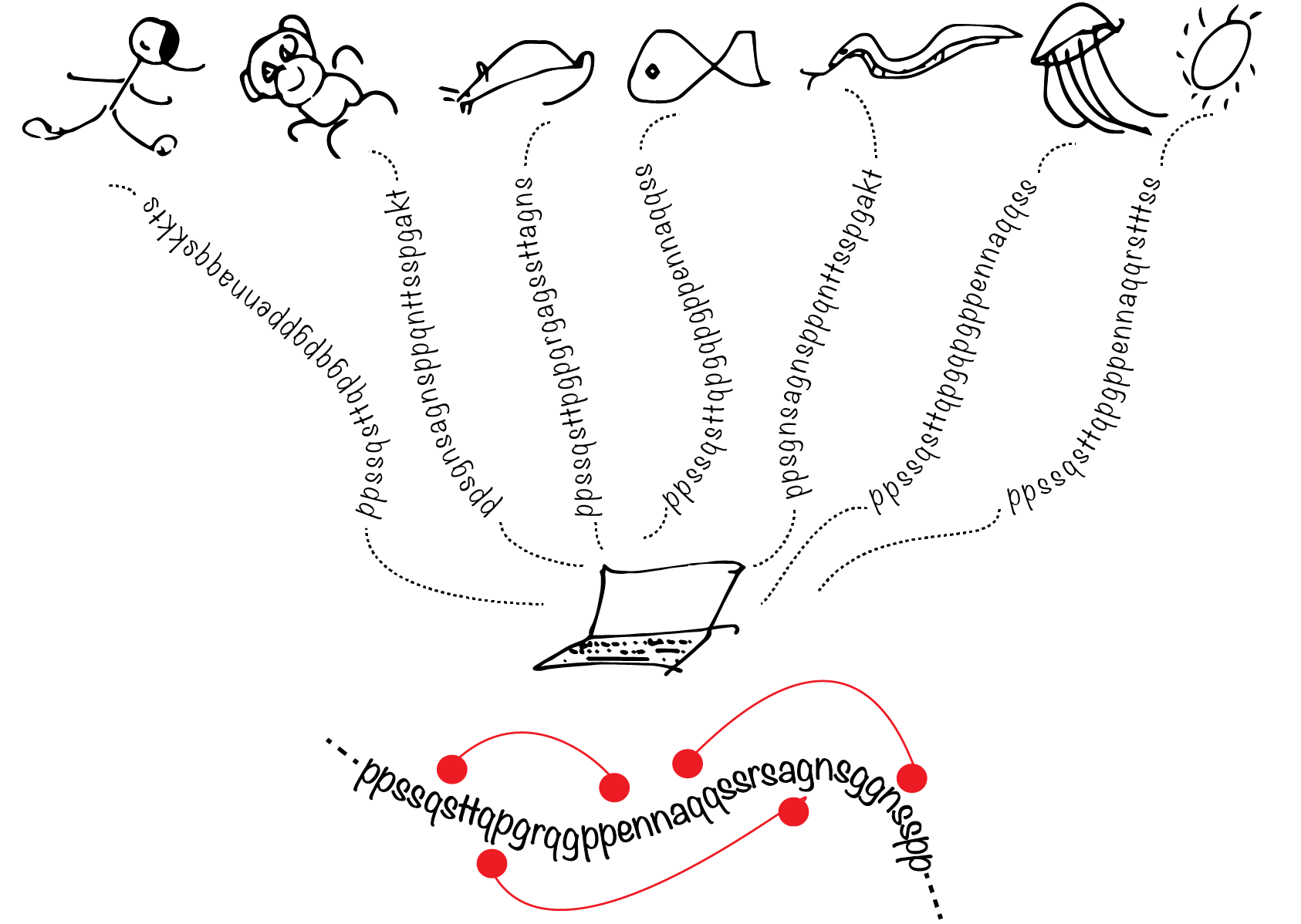 Structured states of disordered proteins from genomic sequences Cell, 2016
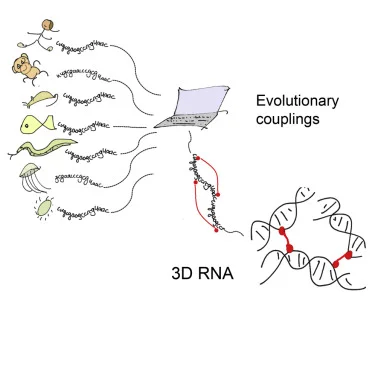 3D RNA and functional interactions from evolutionary couplings Cell, 2016
News
October 2026
Sergio presents evedesign at TechBio UK, London
September 2026
Marks & Youssef Lab Writing Retreat 2026
Marks Lab (and alumni) held a writing retreat in Boston!